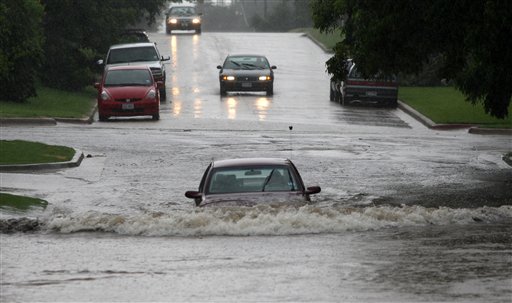
In light of the drought we have had recently, it is good to finally see some rain hitting the Houston area. The dust is being washed away, cars are getting clean, trees get a nice drink, and the grass just might be green again! While this deluge is welcome, the flash floods accompanying it are not. Here are some flood safety tips to make this splurge of rain as painless as possible:
Do Not Walk Through Flowing Water Drowning is the number one cause of flood deaths. Most drowning occur during flash floods. Six inches of moving water can knock you off your feet. Use a pole or stick to make sure that the ground is still there before you go through an area where the water is not flowing.
Do Not Drive Through a Flooded Area Most people drown in their cars than anywhere else. Don’t drive around road barriers; the road or bridge may be washed out.
Stay Away From Power Lines and Electrical Wires Electrocution is also a major killer in floods. Electrical current can travel through water. Report downed power lines to your utility company or local emergency manager.
Turn Off Your Electricity When You Return Home Some appliances, such as television sets, can shock you even after they have been unplugged. Don’t use appliances or motors that have gotten wet unless they have been taken apart, cleaned, and dried.
Watch for Animals, Especially Snakes Small animals that have been flooded out of their homes may seek shelter in yours. Use a pole or stick to poke and turn items over and scare away small animals.
Look Before You Step After a flood, the ground and floors are covered with debris including broken bottles and nails. Floors and stairs that have been covered with mud can be very slippery.
Be Alert for Gas Leaks Use a flashlight to inspect for damage. Don’t smoke or use candles, lanterns, or open flames unless you are sure that the gas has been turned off and the area has been aired out.
Carbon Monoxide Exhaust Kills Use a generator or other gasoline-powered machine outdoors. The same goes for camping stoves. Fumes from charcoal are especially deadly — cook with charcoal only outdoors.
Clean Everything That Gets Wet Floodwaters have picked up sewage and chemicals from roads, farms, factories, and storage buildings. Spoiled food and flooded cosmetics and medicines are health hazards. When in doubt, throw them out.
Take Good Care of Yourself Recovering from a flood is a big job. It is tough on both the body and the spirit. And the effects a disaster has on you and your family may last a long time. Learn how to recognize and care for anxiety, stress, and fatigue.
Make Sure You Have Adequate Flood Insurance Most homeowner’s insurance policies do NOT offer protection against flood losses. To find out if your homowner’s insurance policy covers this, call your insurance agent or Elzey Insurance to check or upgrade your current policy.
Now that you’ve taken the necessary precautions, why not grab some hot chocolate, a good book and settle down beside the window to enjoy the cozy afternoon?


