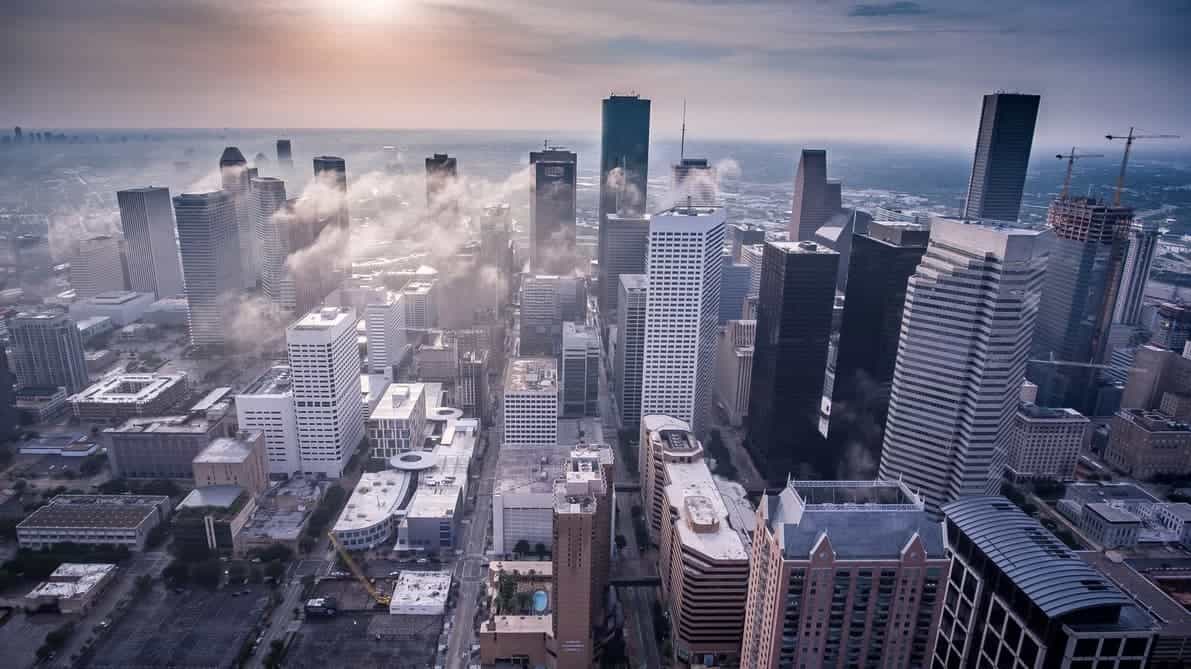

On August 25, 2017, Hurricane Harvey hit the coast of Texas, becoming the first major Category 3+ hurricane to strike the southern border since 1970. During the six-day period, Harvey dumped an estimated 27 trillion gallons of rain in Texas and Louisiana and caused millions in damages to residential and commercial areas. As Houston looks to rebuild itself to the strong metro it once was, the impact of Harvey is still immense.
Hurricane Harvey: the Numbers
After the storm, Texas Governor Greg Abbott, who called the cleanup a “multi-year project for Texas,” activated the entire Texas National Guard, deploying nearly 12,000 Guardsmen to help the region. Gov. Abbott also requested more than $125 billion in federal aid—which makes Harvey the most expensive natural disaster in US history, other than Hurricane Katrina. With over 13 million people affected, and at least 88 dead, Harvey impacted the majority of the city in some way.
Nearly 80,000 homes found themselves in at least 18 inches of floodwater, and 39,000 people were forced out of their homes and into mega-shelters, where they only had the clothes on their back and what personal belongings they could carry.
What Was Lost in the Flood
For many affected, it would be nearly impossible to recoup lost belongings and damages; according to the Washington Post, research states that only 17 percent of homeowners in the most affected counties had purchased flood insurance. Without flood insurance, which can cover up to $350,000 in rebuilding and replacement costs, people were left with finding support through charities and government aid—a small band-aid on a large-scale problem.
FEMA, which grants aid to residents in need, caps its costs at $33,000—nowhere near the cost needed to rebuild a home and a life. And unfortunately for most, they don’t receive that full amount. One study found that only 26 percent of those who applied for relief were approved for aid. 33 percent were denied, often without explanation, leaving them in a pile of debt and debris.
It wasn’t just home repairs that residents faced:
- Many professionals lost income, and some even their jobs, due to outages and damages
- 13 percent of residents said someone in their household experienced negative health impacts
- Children were displaced from schools
- Cars were totaled
- Lives were ultimately turned upside down
The Impact of Hurricane Harvey Going Forward
As climate change increases the likelihood of more catastrophic events like Harvey, it’s important that residents invest in protection for their homes and their futures. In Houston, most of Harvey’s damage was to properties outside the floodplain, upending common misconceptions about the need for flood insurance.
Flood insurance can’t save your home, but it can help you rebuild when disaster hits. Texan Insurance has been protecting those in Houston for more than 28 years—including through Harvey. You can receive a free insurance quote through our website and protect what matters the most.


